
Essence of Rhino Horn
Pembient is the biotech company founded by Matthew Markus to develop bio-identical rhino horn through synthetic biology. Its earliest interested customers were beauty clinics in Hanoi, where rhino horn has long been considered an ingredient that restores youth to the skin. As a first proof-of-demand product, the Pembient team developed a concept for a face cream called Essence of Rhino Horn, containing their synthesized horn powder, divorcing this key ingredient from the animal. To show how it would be sold, Pembient produced this commercial. It aired in 2015.
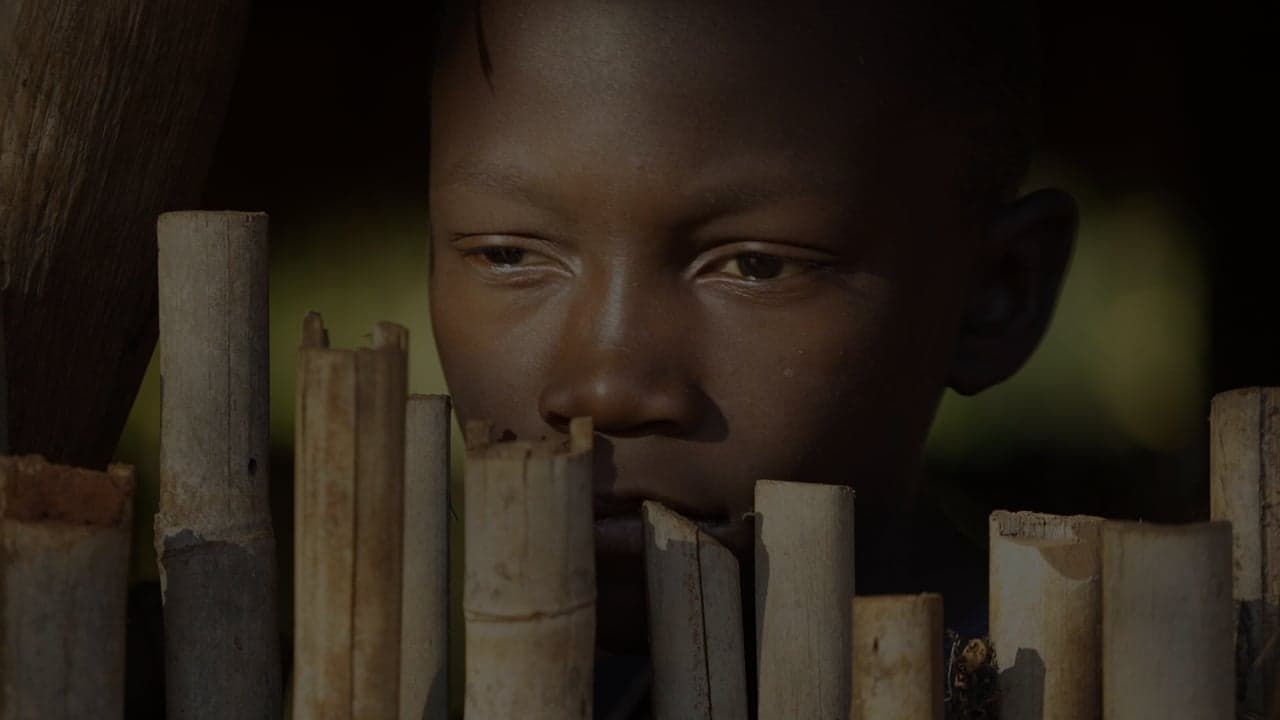
Mozambique
In the villages of Mozambique, we weren't treated as outsiders. Families opened their doors, shared their meals, and made space for us. Without seeing local communities as partners, no effort to protect wildlife can truly succeed.

Michael 't Sas-Rolfes Conversation
Michael 't Sas‑Rolfes is one of the leading global voices on the economics of the wildlife trade. Over nearly forty years at the intersection of commerce and conservation, he has become a go‑to authority on how markets and regulation shape the fate of the world's most endangered species, from rhinos and elephants to big cats and bears. A Research Fellow at the University of Oxford and the African Wildlife Economy Institute, he has accumulated close to 2,000 scholarly citations, making him one of the most influential thinkers in conservation science today. Here is his honest assessment of the rhino conversation field as it stands today.
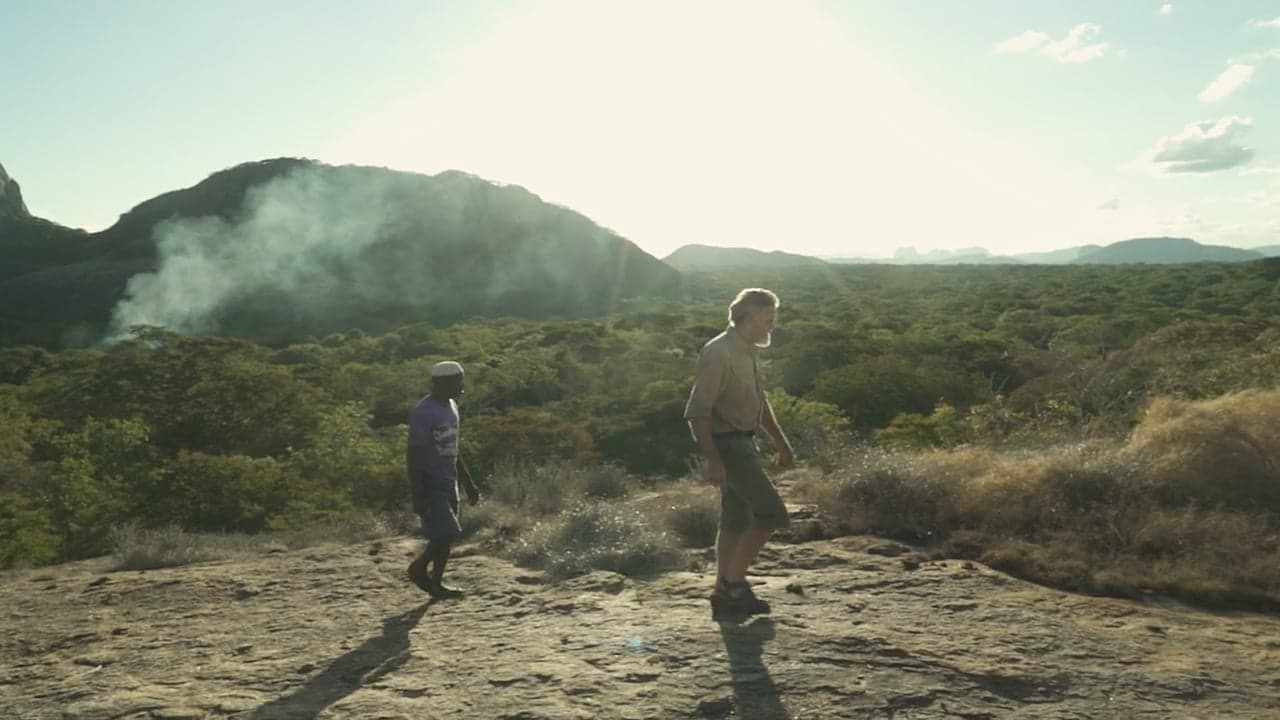
Pemba
Across Mozambique, I met people who wanted the things most people want: clean water, electricity, food they could grow, and the freedom to live without foreign interference in their lives. Many do not have two out of three of these things. And as communities expand into the land set aside for wildlife, they run up against the wildlife that lives there. The conflict pits two species against each other, causing deaths on both sides.